

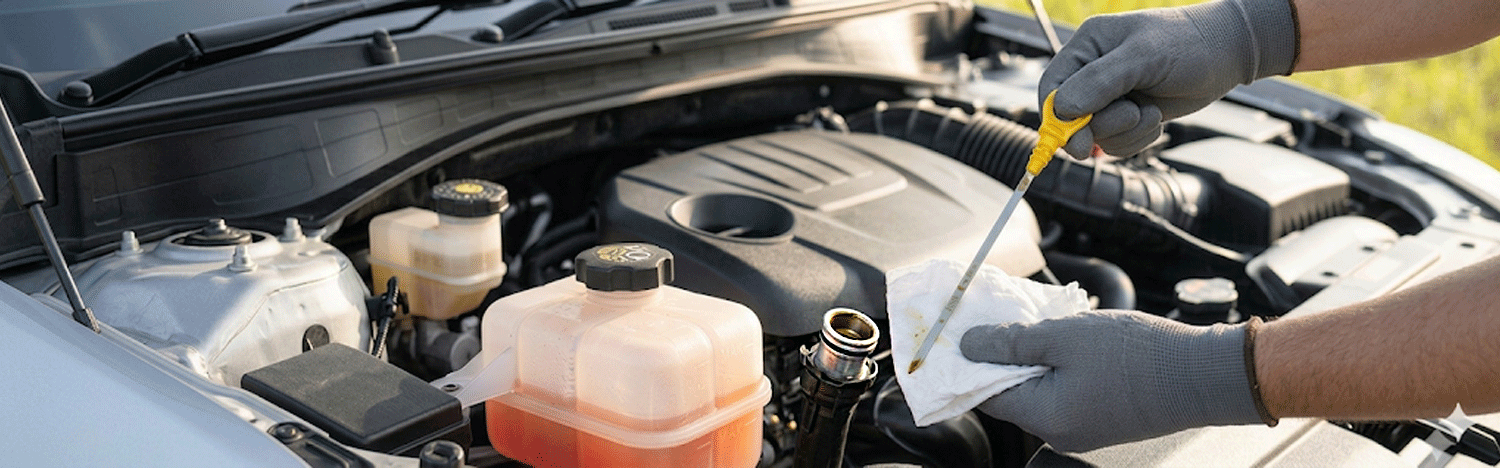
Driven by shifting climate trends that trigger increasingly harsh summer heatwaves, preventative car maintenance has transformed from an optional task into a vital safety necessity. Blistering temperatures quickly accelerate mechanical wear, deplete essential fluids, and place extreme strain on components poorly equipped for severe weather. Overlooking your car's seasonal checkup significantly elevates the likelihood of sudden roadside breakdowns, component failures, and hazardous tire blowouts on scorching asphalt. Shielding your vehicle from these escalating environmental factors requires a deliberate, proactive strategy.
Combating Extreme Heat and Defending Against Thermal Damage
- Battery Performance Check: Intense summer heat accelerates internal battery corrosion and speeds up fluid evaporation. Arranging for a professional diagnostic test guarantees your vehicle retains peak starting power so you avoid getting stranded.
- Belts and Hoses Inspection: Scorching weather causes rubber belts and radiator hoses to dry out, split, or stretch. This type of material degradation can trigger sudden failures in your alternator or cooling system.
- Air Conditioning Evaluation: Test your vehicle's climate control system early to spot subtle leaks or weak airflow, allowing you to beat the long lines at the repair shop once summer arrives in full force.
- Thermal Barrier Protection: Internal cabin temperatures can effortlessly surge past 110°F, even on milder afternoons. Utilizing high-quality window sunshades shields sensitive dashboard electronics and interior upholstery from destructive UV rays.
Tire Safety and Summer Performance Guidelines
- Cold Inflation Calibration: Frequently check your tire pressure using a reliable gauge while the tires are "cold"—which means the vehicle has been parked for at least three hours or driven less than one mile.
- Adhering to Recommended PSI: Always match the manufacturer's specified PSI listed on the driver-side door jamb or inside the owner's manual, rather than inflating to the maximum pressure marked on the tire itself.
- Structural Health Inspections: Periodically scan your tires for visible signs of heat damage, including sidewall cracking, irregular tread wear, punctures, or dangerous air bubbles.
- Load Limits and Alignment: High-speed driving or carrying heavy cargo places intense stress on your tires on hot pavement. Securing a professional wheel alignment encourages even tread wear and maximizes overall driving safety.
Maximizing Fluid Quality and Cooling System Integrity
- Cooling System Optimization: Ensure your radiator, water pump, and thermostat are operating flawlessly. Always utilize premium coolant with an elevated boiling point to defend the engine against overheating.
- Fluid Level Audits: Regularly evaluate essential under-the-hood fluids—such as motor oil, transmission fluid, and brake fluid—to confirm they are clean and filled to correct levels.
- Visibility Refresh: Replace windshield wiper blades worn down by winter weather to secure a clear view during sudden summer rainstorms, and don't forget to top off the washer fluid reservoir.
- Corrosion and Rust Prevention: Give your car's undercarriage a comprehensive cleaning to eliminate lingering winter road salt and debris. Additionally, repair any paint chips promptly, as high summer humidity and heat can rapidly accelerate rust formation.
Schedule Your Seasonal Service
Don't let punishing summer temperatures leave you stranded on the highway. Book a comprehensive vehicle inspection at the Van Subaru Service Center today. Get ahead of the seasonal rush and ensure your car is fully equipped for the challenging months ahead. Get in touch with our Subaru team now to get started.